 In Chemistry, about 25 students started an activity to check the pH of the environment. They started to collect coffee capsules, then took the spare, remain coffee from each aluminium capsule and gathered the capsules for a future experience concerning recycling.
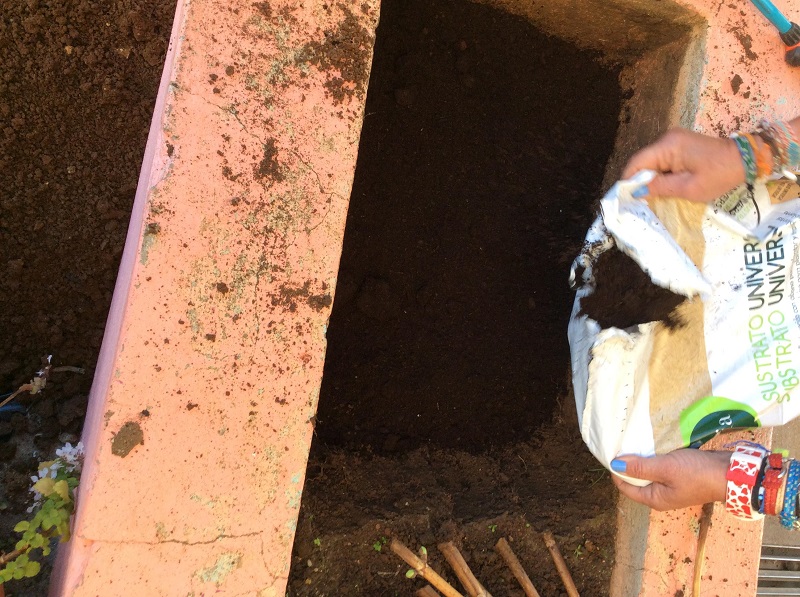
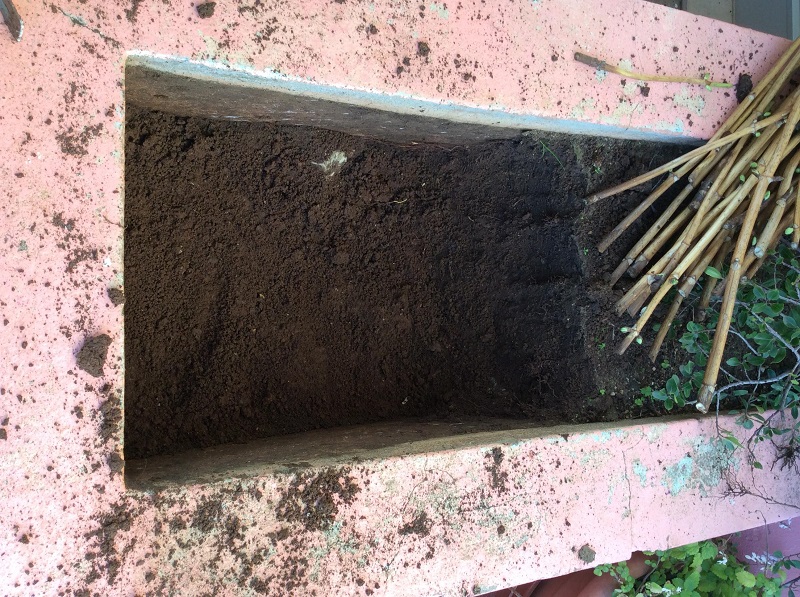
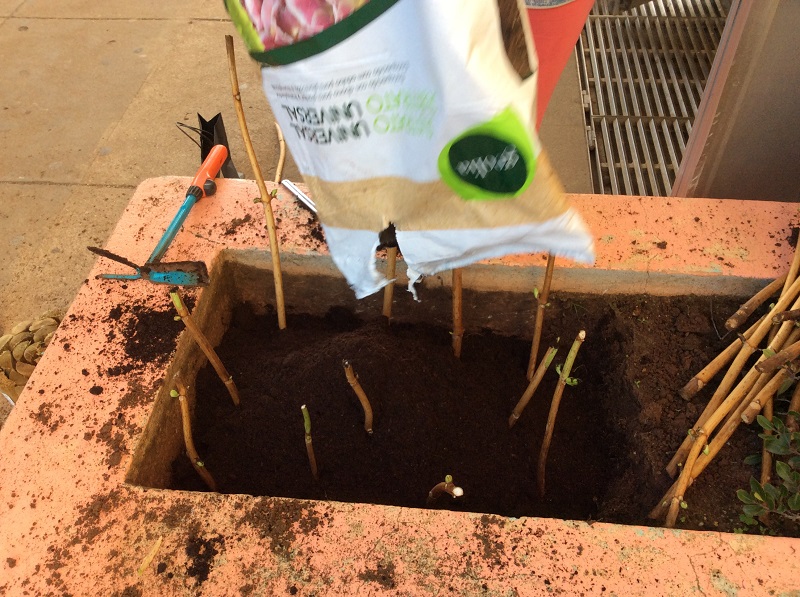
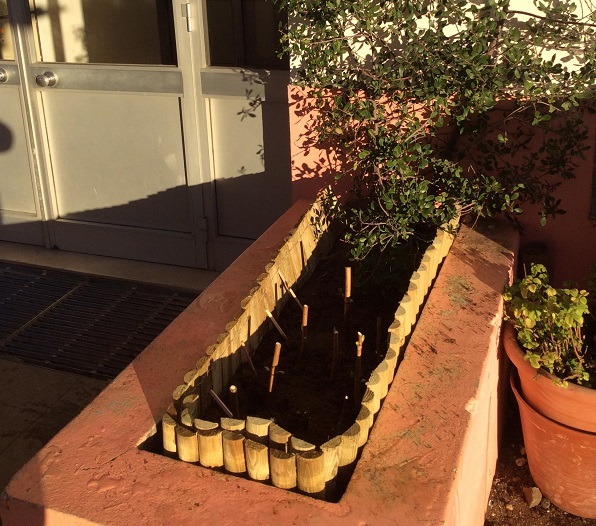
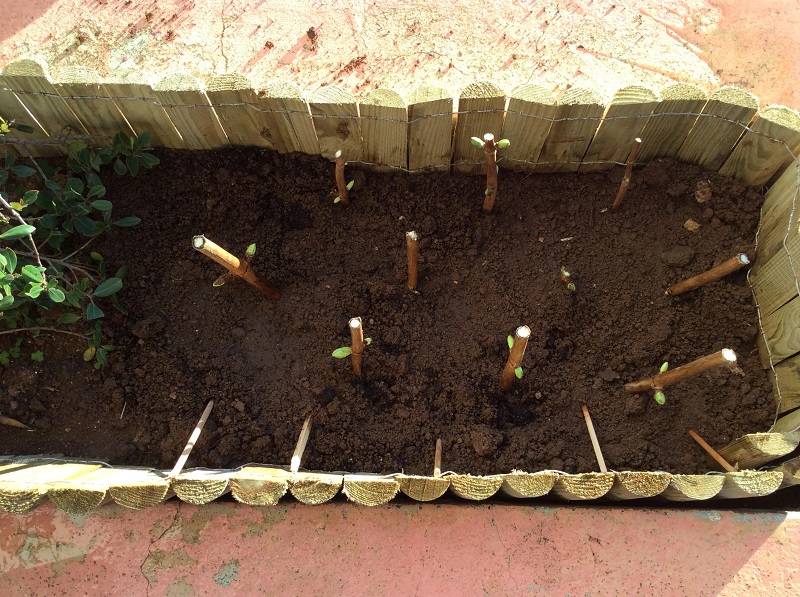
This coffee powder will be a land fertilizer, an acid biological fertilizer. The teacher and the students started to cultivate hydrangeas (Hortense, a flower, in Portuguese language) in small pieces of land (flowerbed) outside each school pavilion. They had two different flowerbeds: one with land and the coffee (acid fertilizer) and the flowers are supposed to grow blue. On the other flowerbed, instead of coffee, it was used a special lime (cal, in Portuguese) used in agriculture, which is a basic element and the flowers, probably, will become pink. When the foreign partners come in October, maybe, they will check and prove the result of this experiment.
The coffee was also used as a natural, cheap and quick biological fertilizer to water the green plants. In this case, six spoons of coffee were set into a bottle of water and remained there for five days. After that, some green plants were watered and its leaves became greener and shined more.